This post may contain affiliate links. Please read our disclosure policy.
I will be honest, the Paldo Green Tea Noodle gave me pause before I even opened it. The packaging is bold and the image of bright green noodles swimming in broth had a certain liquid baby food energy that I was not sure I was ready for. But I was surprised by what was inside and not in the way I expected.
Produced in South Korea.

What’s in the Package
A green tea infused noodle brick that is immediately noticeable for its color, a flake packet, and a soup base packet. The noodles themselves are visibly green straight out of the bag, which sets expectations for a very different experience than what you actually get.

How to Prepare It
Boil the noodles in water, add the flake packet during cooking, and stir in the soup base packet at the end. Standard preparation with one key note from the package — the soup base goes in last.

How Does It Taste
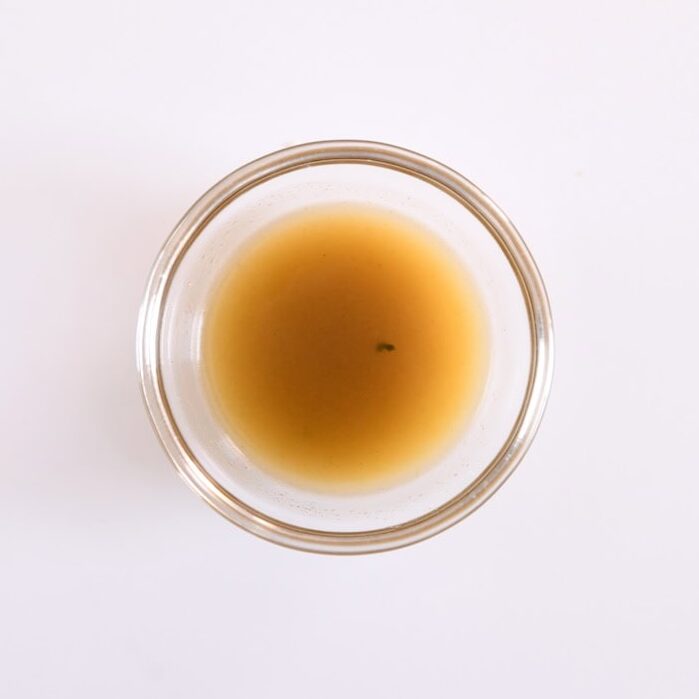
The visual impact is immediate and undeniable. These noodles are an electric green. But here is the thing, the broth is a complete disconnect from the grassy appearance. Instead of herbal tea notes you get a solid savory profile that tastes like a standard red Korean ramyun. It is salty enough to be satisfying with dehydrated shiitake mushrooms adding a nice earthy touch. The green tea flavor is subtle enough to be essentially nonexistent but the overall taste is comforting. The green is mostly just for show.
The noodles are a real standout. They are solid in thickness with an excellent chew and a smooth texture that lacks any grainy health food grit. They hold up well in the broth without going mushy.
How Does It Compare
This is most comparable to a standard Korean ramyun like Shin Ramyun or Paldo’s own Jjajangmen in terms of the savory salty broth profile. The green tea element does not change the flavor category at all. Where it stands apart is purely visual. The green noodles make this one of the more eye-catching bowls you will ever make from a packet, which makes it fun to serve to people who have never seen it before.

How to Level Up Paldo Green Tea Noodle
The unique color opens up some creative serving ideas that go beyond the typical topping suggestions. This would be a fun choice for a St. Patrick’s Day noodle bowl since the green noodles do all the thematic work for you. A splash of Guinness stirred into the broth adds a nice creaminess that complements the savory base.
For a summer twist a cold noodle salad version with cucumber, a drizzle of sesame oil and a small amount of wasabi would be really interesting. Since this is certified vegan firm tofu cubes or tempeh are the natural protein additions that keep it plant based.

Final Verdict
Far better than the color suggests. The broth delivers a solid satisfying Korean ramyun experience that stands on its own and the noodles have a good chew. The green tea flavor is window dressing but nobody is eating this for the antioxidants. Buy it for the novelty, keep buying it because it is actually good.
Tasting Notes
- Spice Level: 0/5
- Broth Viscosity: 1/5
- Noodle Thickness: 2/5
- Noodle Type: Green Tea Infused
- Topping Suggestions: Guinness (for St. Patrick’s Day), Tofu/Tempeh, Cucumber, Wasabi, Sesame Oil
Where to Buy Paldo Green Tea Noodle
Community Ratings
There are no reviews yet. Be the first one to write one.
Leave Your Rating
More to Try
- More from Paldo: Paldo Kokomen Chicken Spicy Soup Instant Noodle, Paldo Jjajangmen
- Topping pairing: Rotisserie Chicken
- Recipe to try: Ramen Seafood Boil